AI-assisted engineering
Reverse Engineering a Keyboard Updater with ChatGPT
A Razer keyboard, a Windows-only updater, and three refusals: reverse engineering a Mac update path with ChatGPT.
Published · English
Essays / Notes / Frameworks
Essays on accountable AI, the structure of cyber investigations, and the judgment required to lead through uncertainty.
AI-assisted engineering
A Razer keyboard, a Windows-only updater, and three refusals: reverse engineering a Mac update path with ChatGPT.
Published · English
AI infrastructure
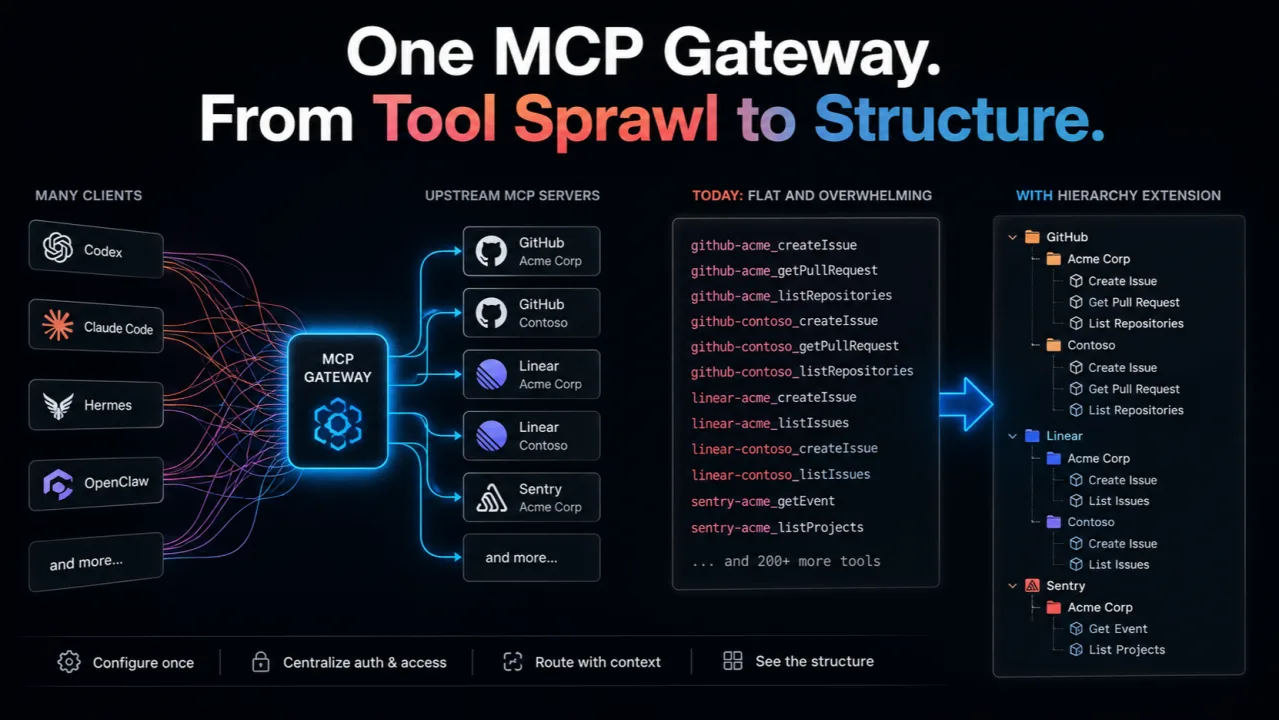
A single MCP gateway can simplify connections while leaving clients with a confusing flat tool list. John argues for preserving the hierarchy of services and organizational instances so people and AI clients can navigate the context the gateway already knows.
Originally published · English
Cyber investigations
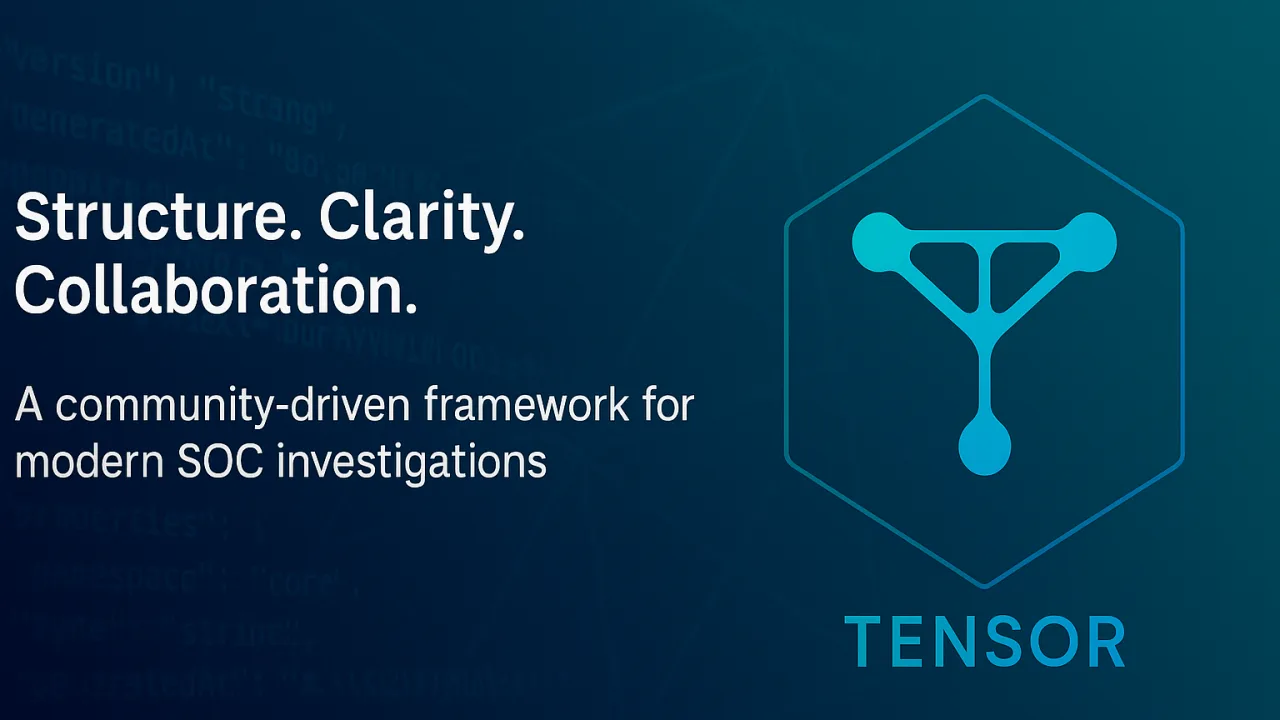
TENSOR proposes a shared structure for cyber investigations across tools, teams, and AI systems. This introduction explains how relationships among evidence and investigative domains can complement defensive-technique frameworks and make investigative work easier to transfer and review.
Originally published · English
Judgment and resilience
The same incident can look very different to engineers, executives, governments, and the people affected by it. John explores how assumptions shape judgment and why resilient leadership requires seeking perspectives that challenge the first interpretation.
Originally published · English
Global security and GNSS resilience
GPS/GNSS jamming, spoofing, and disruption create global security risks for navigation, critical infrastructure, and precise time. Drawing on reconnaissance and cybersecurity experience, John examines how aviation, maritime operations, and enterprises can assess material dependencies, verify independent references, and maintain safe operations and defensible records.
Originally published · English
AI accountability
Consequential AI decisions need a record of the evidence, authority, and checkpoints that shaped them. This essay proposes predefined decision graphs as a practical basis for tracing decisions, reviewing outcomes, and improving governance across human and automated teams.
Originally published · English
AI accountability
Accuracy alone is not enough when AI influences consequential decisions. This essay argues for accountability built into the system, including records of inputs and outcomes, connected decision points, and meaningful human oversight.
Originally published · English
Cyber investigations
An early look at TENSOR's proposed schema for investigative graphs, including node identification, categories, and priorities. The piece explains how a shared structure can support interoperability while allowing organizations to extend it for their own environments.
Originally published · English
Cyber investigations
An early argument for short, usable security procedures that support consistent analysis without replacing training or judgment. It provides a useful starting point for the later TENSOR work on structuring investigations.
Originally published · English