Most of you probably do not know that I once served as a GebPzAufkl in the Bundeswehr, mountain armored reconnaissance. It was a dream path I left sooner than I wanted because of residency and citizenship realities, but the work left a mark. You learn to move with humility, read the ground, and let evidence speak.
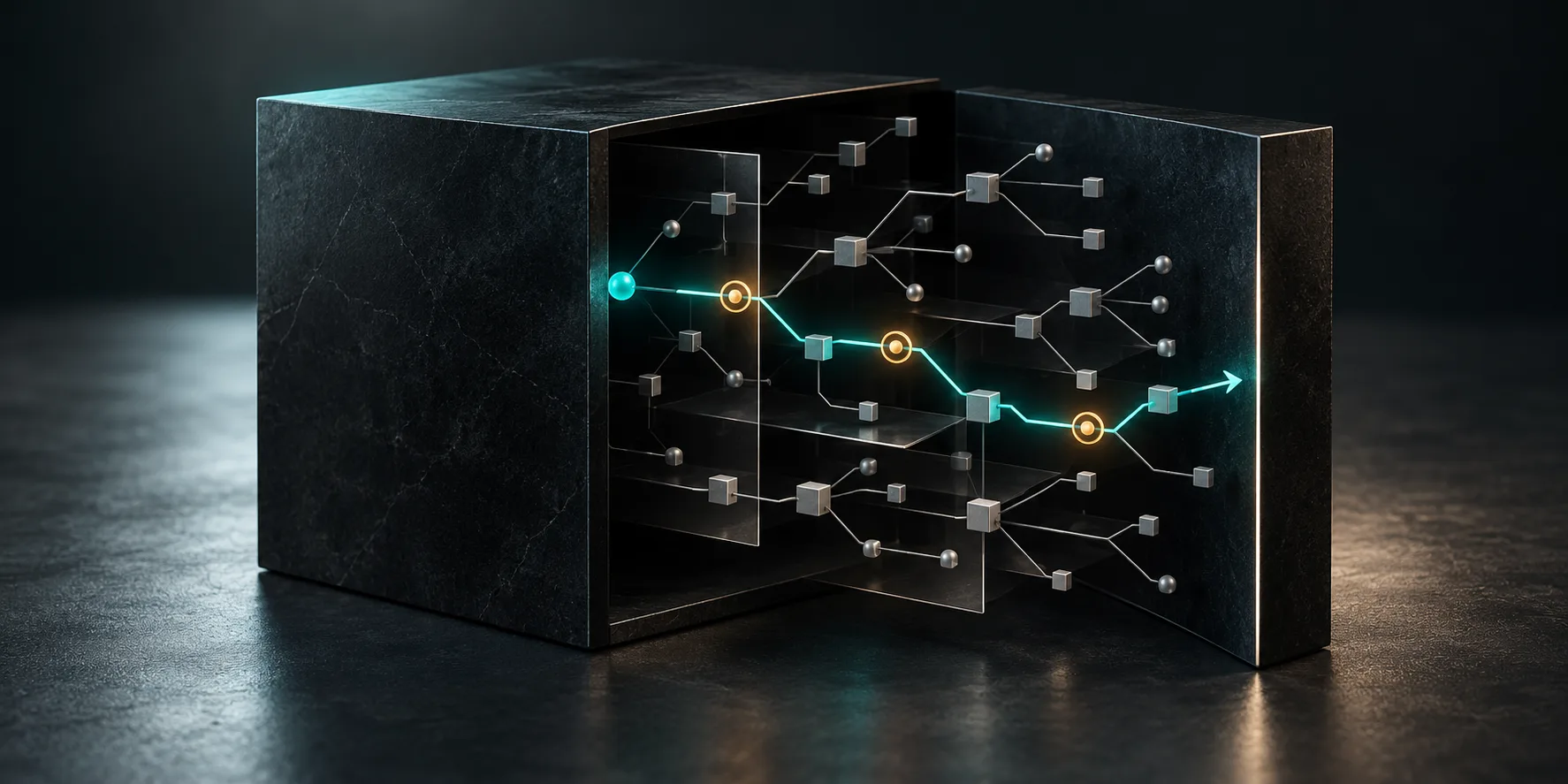
Recon teaches you to build truth from many sensors at once and not to fall in love with a single one. Map and compass, pace count, stars, shadows, terrain. Along with graduate work in intelligence, doctoral coursework in global security (coursework completed without the portfolio defense or dissertation), and a career in cyber, that habit is the lens through which I look at risk.
Modern life often runs the opposite play. We have built core operations on one signal. GNSS, the satellite navigation family many simply call GPS, paired with precise time now underwrites flight paths, pilotage, grid synchronization, 5G timing, and financial timestamps. When that single signal bends, small ripples become diversions, delays, and disputes.
You can see it on ordinary weekdays. A trucker near Newark plugged a pocket jammer into his cab and repeatedly disrupted precision-landing tests at the airport. In the Baltic region, airlines adjusted or paused service during periods of interference; Finnair’s month-long pause to Tartu was publicly documented. In the Eastern Mediterranean, public maps briefly showed more than a hundred ships parked at Beirut’s airport, spoofed positions that make for absurd charts and very real insurance headaches. And sometimes the cause is the Sun. The geomagnetic storm of May 2024 degraded GPS across parts of North America and cost farmers precious planting hours. Different causes, same result: doubt about where you are and doubt about what time it is.
This dependence reaches organizations in two ways. Some sectors touch GNSS directly every day: airlines and air navigation services, ports and pilots, rail and intermodal yards, precision agriculture and construction, drone corridors, emergency response. Others meet it indirectly through timing. Many enterprises say they just use NTP for clocks, but NTP ultimately takes its time from a reference. In practice that stratum-1 source, stratum being how many hops you are from the reference, is commonly a GNSS-disciplined atomic clock, a fiber-delivered national time feed with atomic holdover, or an on-premises atomic ensemble. The point is not that satellites run everything. It is that most time services trace to metrology-grade sources, and GNSS is frequently one of them. Even without a roof antenna, you are usually downstream of that ecosystem.
This is not a universal alarm. Make it material, not performative. If bad position or bad time can create a safety event, a regulatory breach, or a seven-figure dispute in your world, this belongs on the board agenda now. If not, keep awareness high, name a clear owner for time, and expect a few straightforward assurances from providers, then move on to the fires that are truly yours.
Where cyber fits should be specific. Cyber will rarely own GNSS itself, but it should own time inside the enterprise as an assurance function. Choose an authoritative time source inside the organization and make its integrity visible. In practice that means two independent ways to keep clocks honest, a tolerance written in seconds, documented holdover, and a chronology of record that aligns logs, operations notes, and sensor data. Detection does not require a science project. Watch receiver health where you have it: jamming or spoofing indicators, integrity alerts, sudden slumps in satellite count or signal strength. Watch the clocks you already run: NTP or PTP offsets that exceed policy, a device making a time step it should not, an unexpected change on the network. Where you have tracks, watch for position that could not have happened: a vessel “jumping” while berthed, an aircraft on stand that appears to sprint across the map, a cluster of ships that all “arrive” at an airport. Pair anomalies with context you can show later, such as current NOTAMs, NAVCEN notices, and space-weather bulletins, and publish a simple status that operations can act on.
Response should be calm and repeatable. Confirm against a second reference. Revert to safer modes where navigation or tight timing matter and run within your holdover budget. Build the evidence as you go: the identity and offsets of your authoritative time, the relevant time and receiver logs, track snapshots, and the external context you used. Coordinate early with regulators, port or aviation partners, and insurers. Infrastructure and SRE run the time systems. Cyber assures their truth. Operations decides how to continue. The aim is plain: keep people safe and decisions defensible while the noise clears.
There is no single substitute for GNSS. The practical path is a small stack. Better inertial sensing holds state when satellites misbehave and is beginning to move from laboratories into flight trials because it buys minutes and hours of accurate dead-reckoning. Additional references help too, whether that is other constellations were lawful, signals of opportunity from low Earth orbit, or terrestrial beacons. Stronger clocks and clean distribution keep internal systems from wandering when external references drop. Planned resets at known points pull drift back to truth. Modest layers working together make position and time boring again.
The frame for decision makers is simple. Some organizations live right on the edge of position and time and should invest now. Others can document sensible expectations and keep watching. Cyber leadership should decide where time assurance and GNSS health sit in the program and how they are measured, especially for those with the closest exposure, the operators who fly and steer and synchronize for a living. The rest can treat this as a quiet dependency to be understood, not a crisis to be staged.
Recon taught me to trust many sensors. We built business on one. It is time to fix that.